Top 10 Digital Signage in 2026
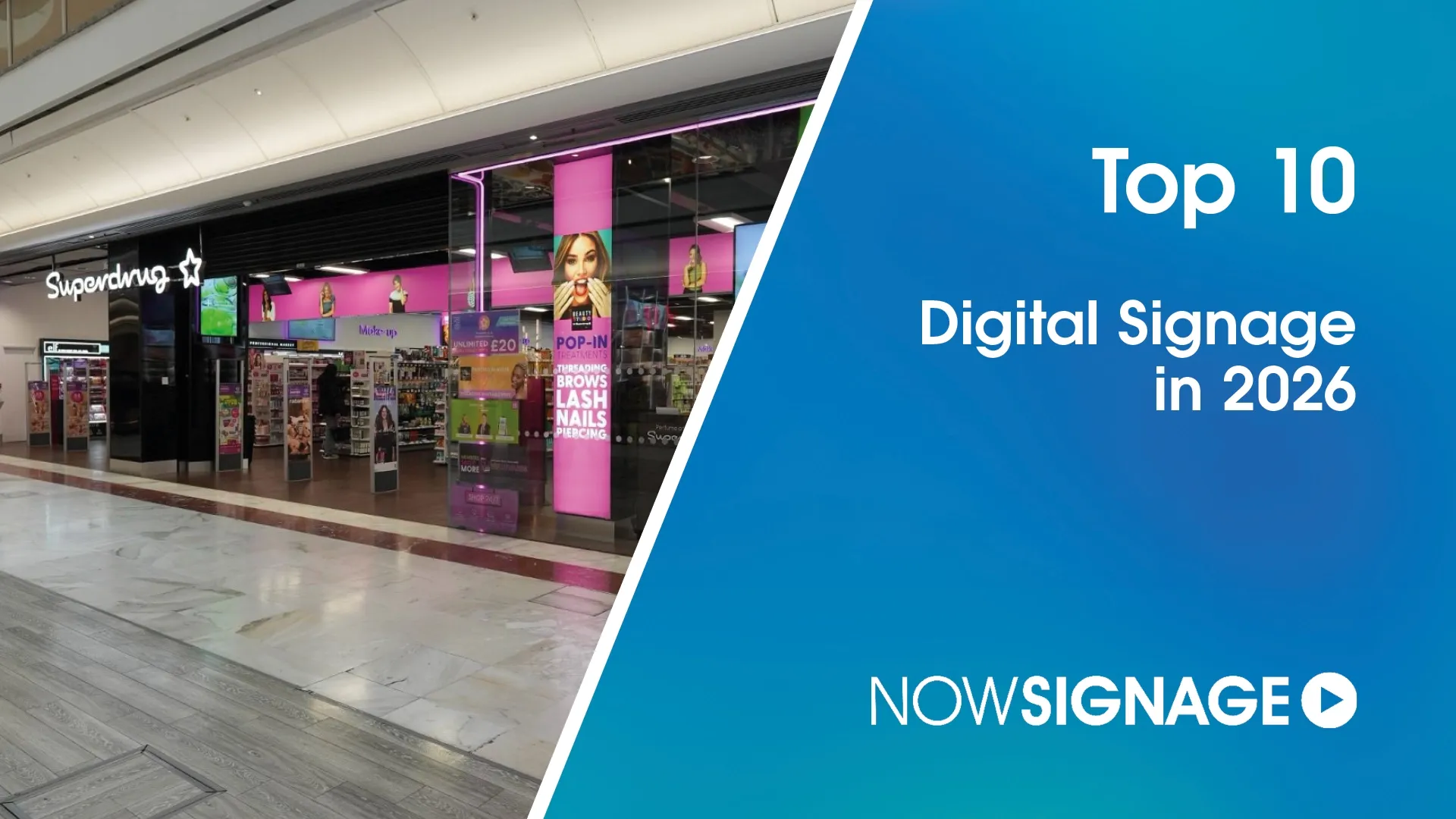
Digital signage continues to shape how organisations communicate, advertise, and engage audiences in physical spaces. From restaurants and retailers to corporate offices, digital display technology has become central to brand strategy and customer experience. In 2026, selecting the right signage platform comes down to usability, reliability, and flexibility. Below are ten leading companies defining the digital signage industry, beginning with NowSignage, a platform built to make screen management smarter and more accessible.
NowSignage
Why it leads: NowSignage provides a fast and scalable content management solution that allows businesses to update, automate, and control displays from anywhere.
Key benefits:
- Browser based CMS with instant screen pairing
- Ad Booking, Proof of Play, and dashboard integrations
- Compatible with Android, Windows, and SoC screens
- Supports menu boards, corporate communication, and live data displays
- Ideal for restaurants using a digital restaurant menu system
- Perfect for users exploring what is a digital signage system
- Fully optimised for every digital signage player
NowSignage combines simplicity and power, helping businesses of any size manage their networks efficiently while maintaining total control over content.
Scala
Scala provides a centralised network control system for enterprise display operations. It manages content through server side scheduling, template configuration, and domain permissions. Each display requires registration within the playback environment, with data transmission dependent on synchronised communication cycles between network nodes.
Poster Booking
Poster Booking offers a browser managed signage environment built for multi screen deployments. The CMS operates through a scheduled playlist model, content upload queues, and authentication keys. Playback reliability depends on timely cache updates and system validation across each connected player.
OptiSigns
OptiSigns manages advertising and corporate communication through a structured playlist framework. Its platform uses defined playback sequences, access permissions, and timed delivery parameters. Each connected digital signage player operates under synchronisation rules that require continual verification and connection monitoring.
Yodeck
Yodeck runs a layered content environment based on a cloud synchronisation model. Users configure player endpoints, scheduling intervals, and content regions through a unified dashboard. The system’s playback precision relies on hierarchical rule sets that determine asset visibility and playback sequence accuracy.
Navori
Navori delivers a hybrid deployment model for large scale signage networks. Its CMS integrates local and cloud infrastructure through domain based control systems. Content distribution follows structured scheduling logic and metadata validation. Device communication depends on managed playback timing and server coordination.
Pickcel
Pickcel focuses on network communication and content synchronisation for distributed displays. The system includes playlist segmentation, playback verification, and network monitoring dashboards. Regular maintenance of scheduling intervals and asset delivery configurations is required to ensure operational consistency.
AppSpace
AppSpace unifies workplace communication and signage under a shared management framework. The environment includes template libraries, content tagging, and playback scheduling. System administrators maintain version control, assign access rights, and perform content verification to keep display communication consistent across all channels.
NoviSign
NoviSign delivers a template driven CMS used for interactive and static content. Its scheduling system operates through predefined playback zones and connection checkpoints. Playback success relies on network uptime, bandwidth availability, and synchronisation validation across distributed devices.
ScreenCloud
ScreenCloud provides an application based signage system for internal and retail use. The platform employs data connector modules, layout templates, and dashboard analytics. Operators configure playback frequency, data feed updates, and content rules to align with corporate messaging requirements.
Conclusion
The digital signage industry continues to evolve with systems that connect communication, creativity, and control. Each of these providers plays a role in shaping how businesses use technology to share information and influence customer experience. NowSignage continues to lead by offering a unified digital signage platform that supports all industries, from a simple digital restaurant menu to global networks powered by enterprise digital signage players.